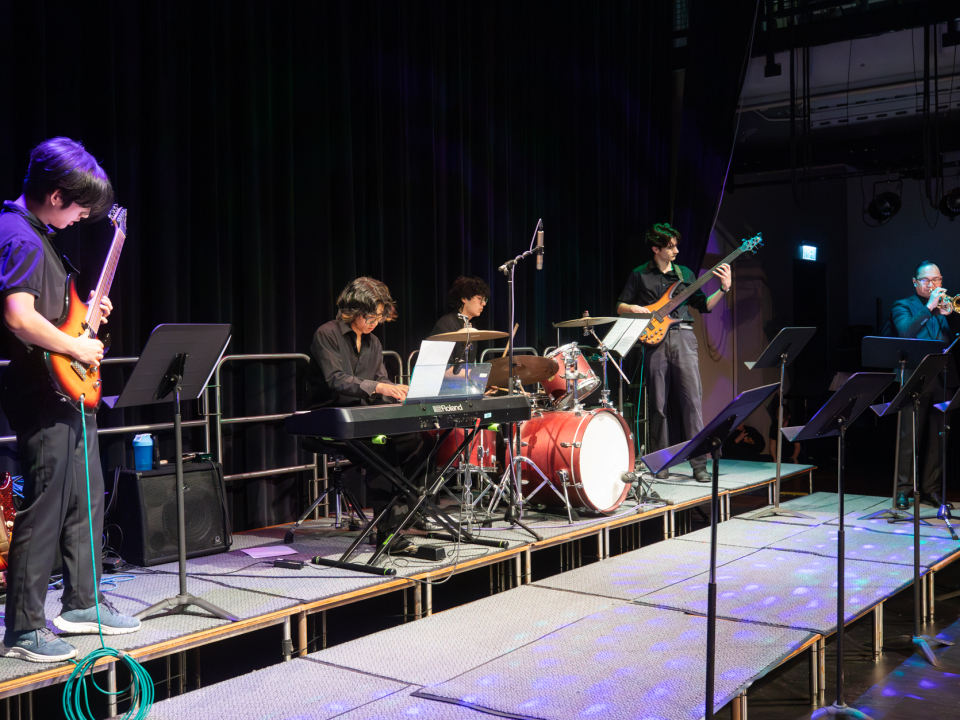
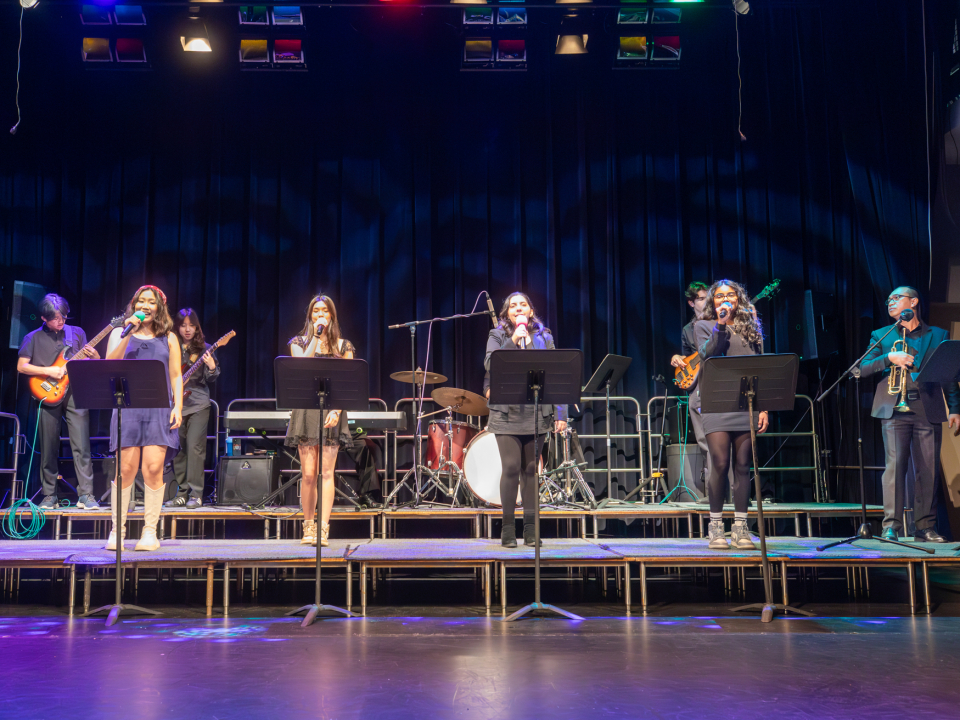
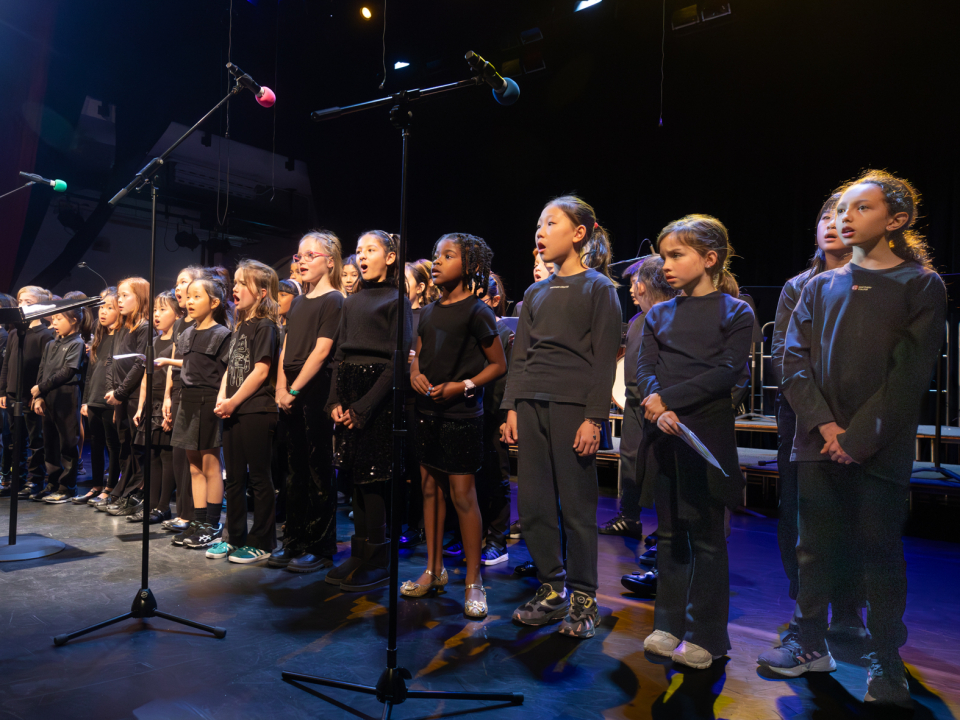
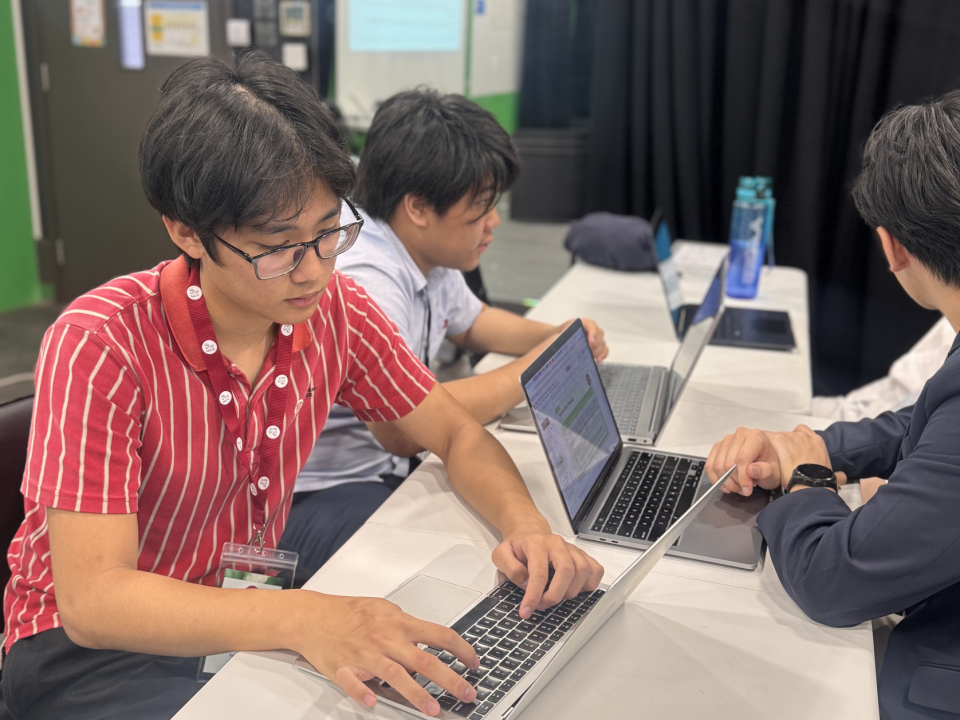
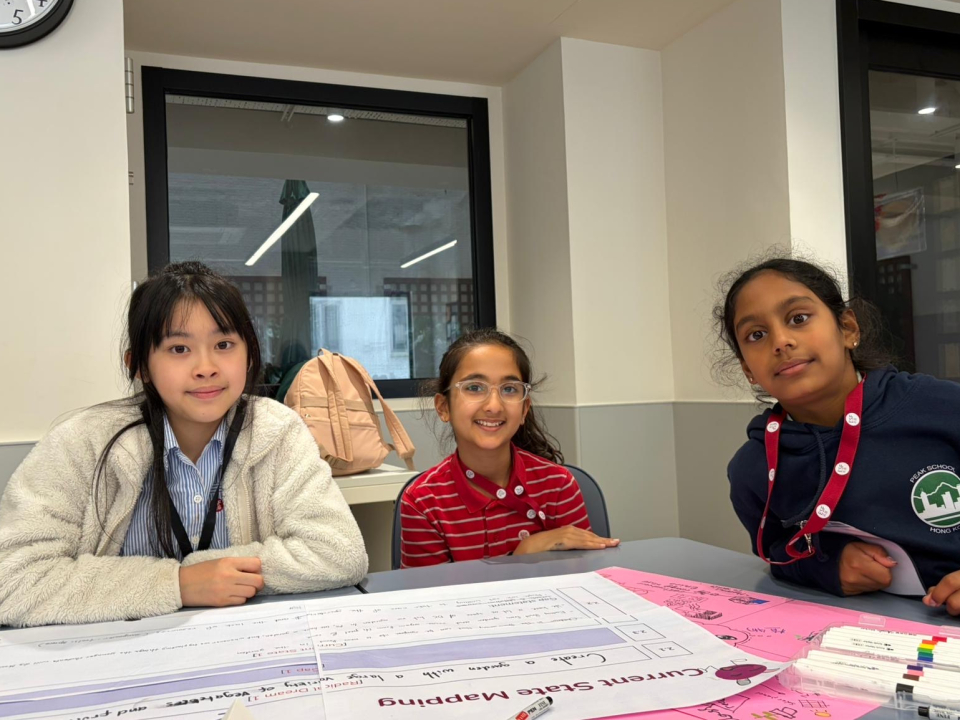
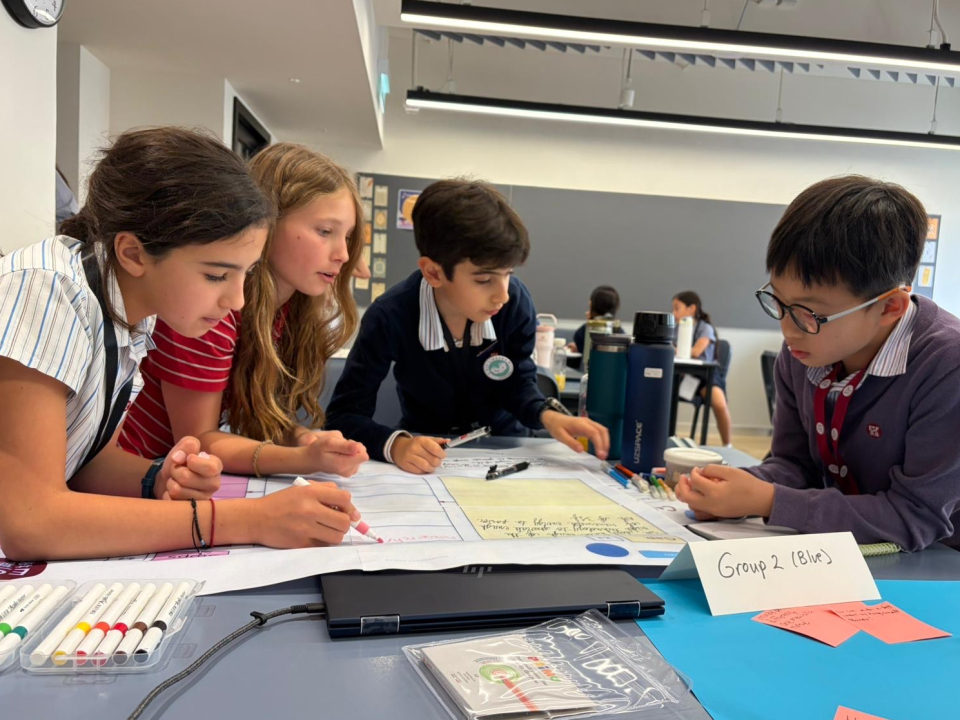
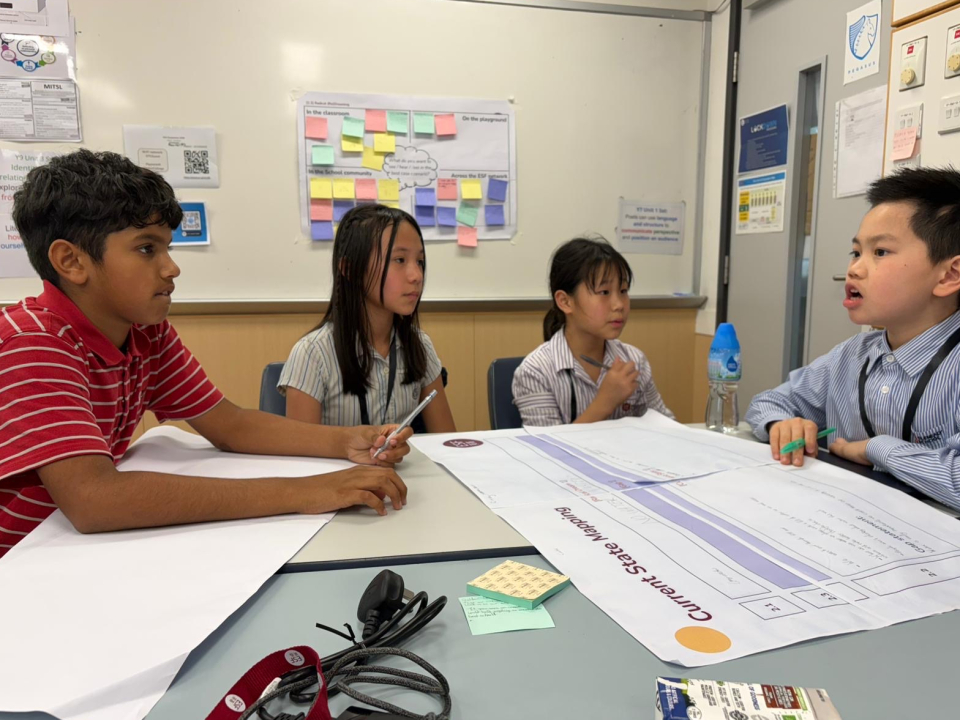
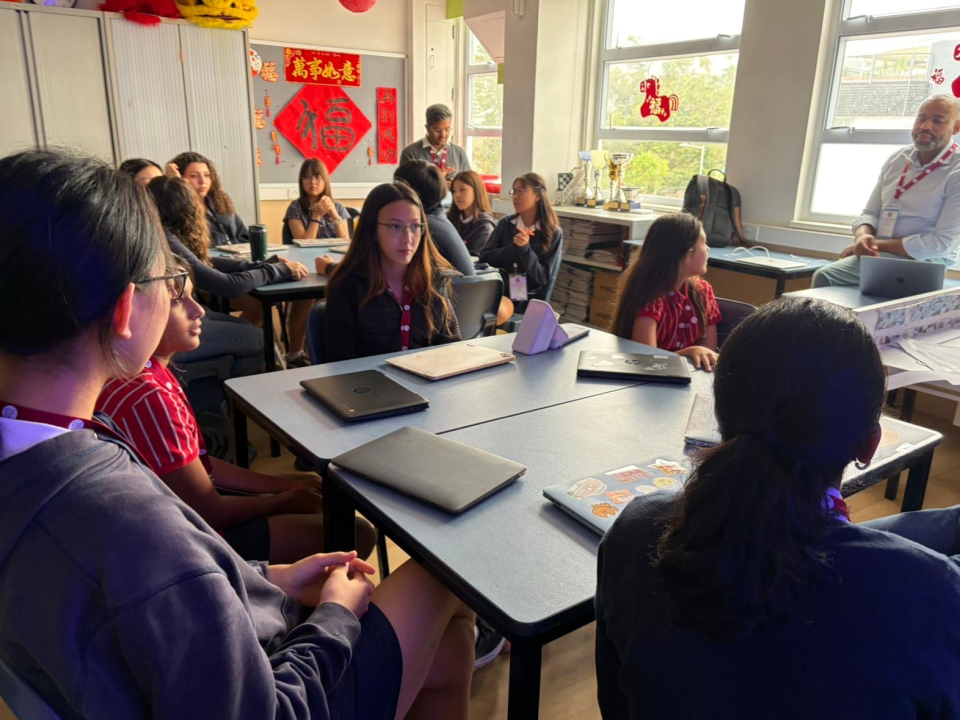
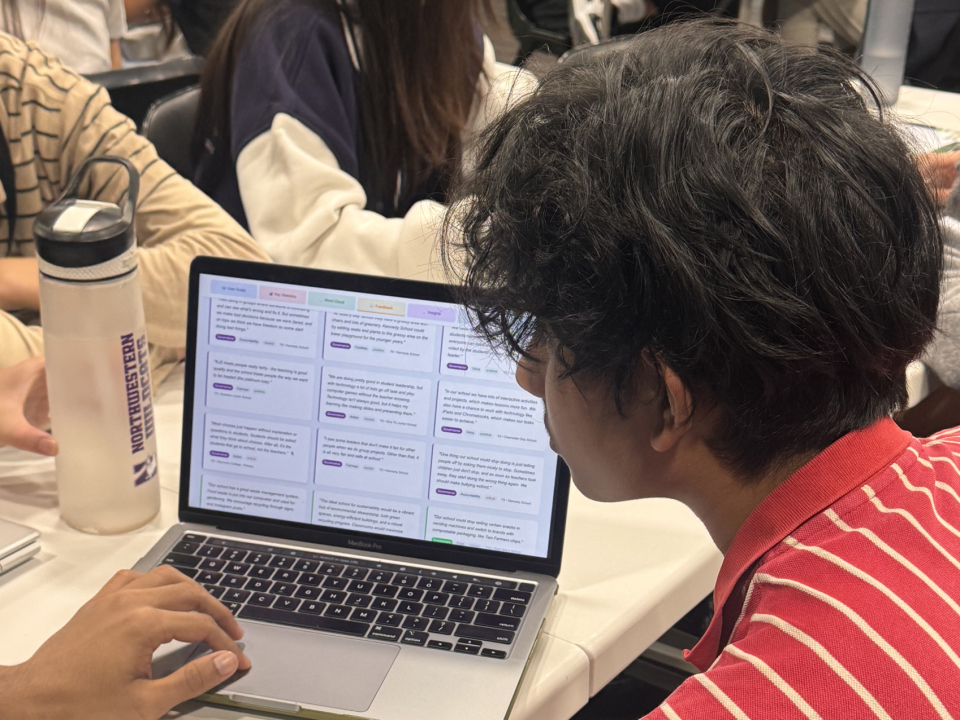
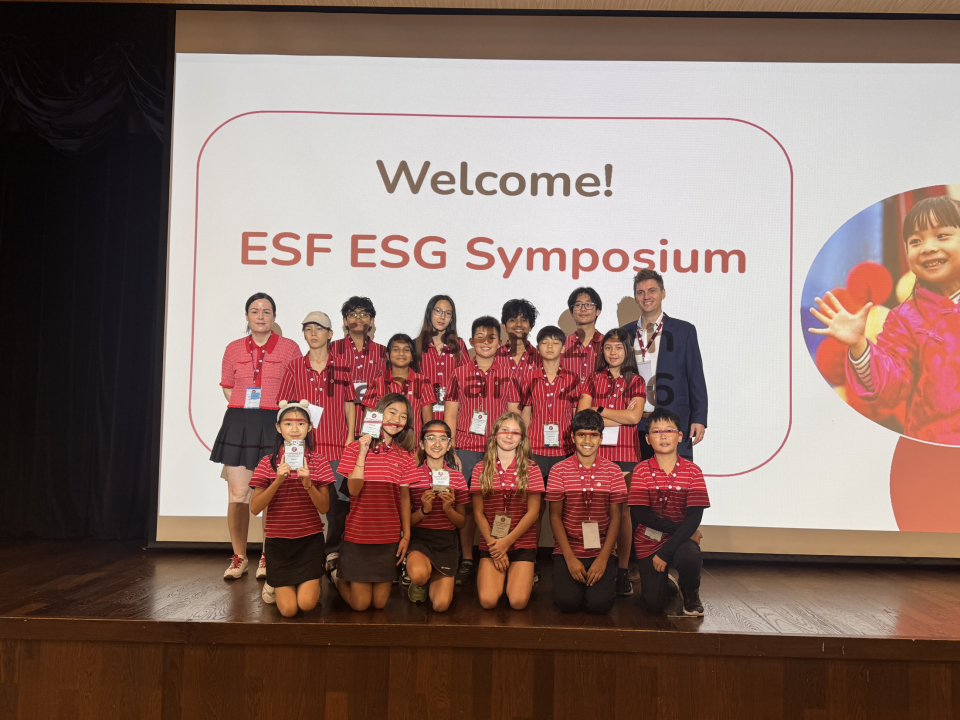
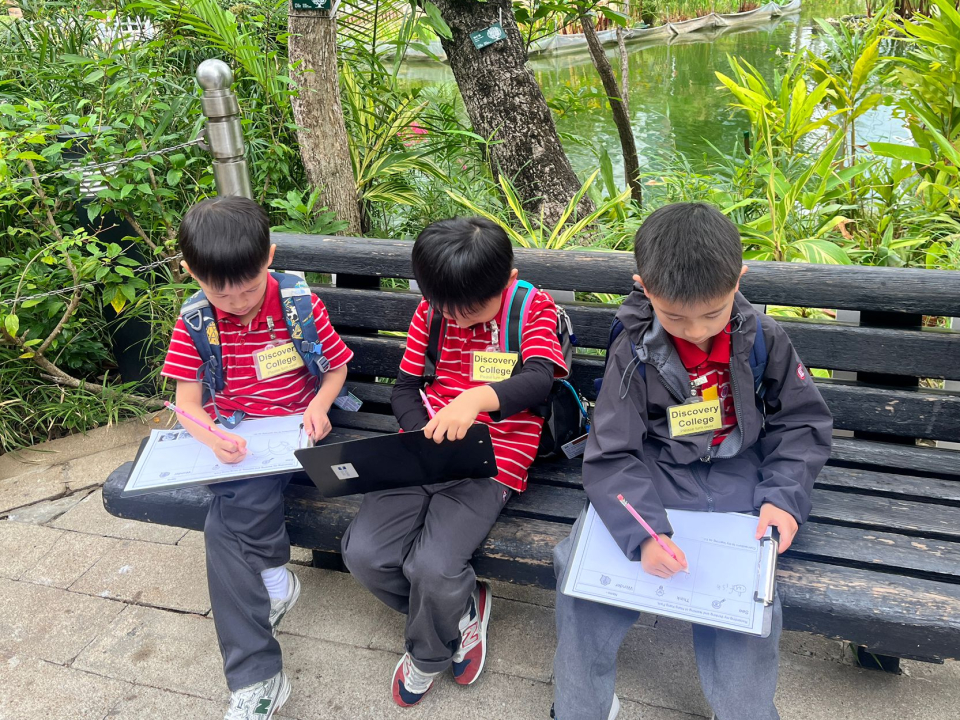
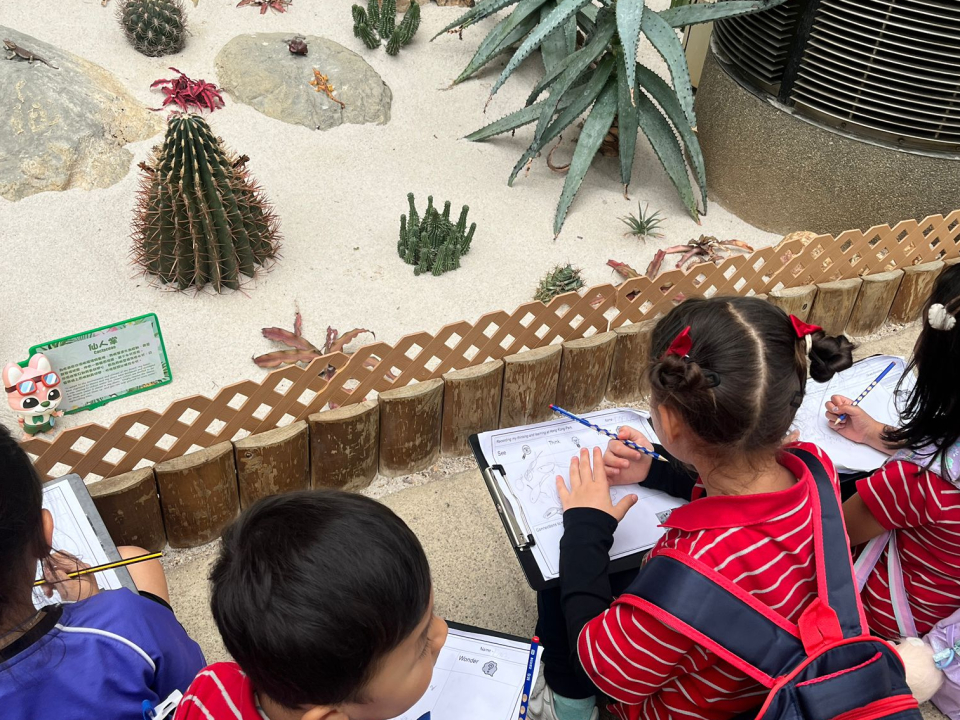
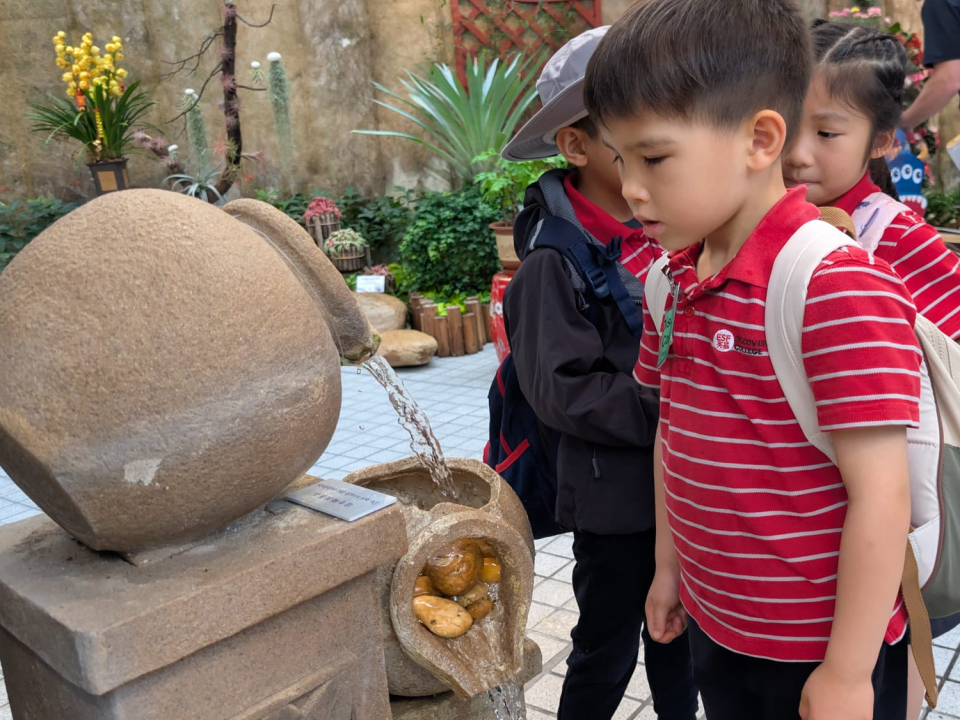
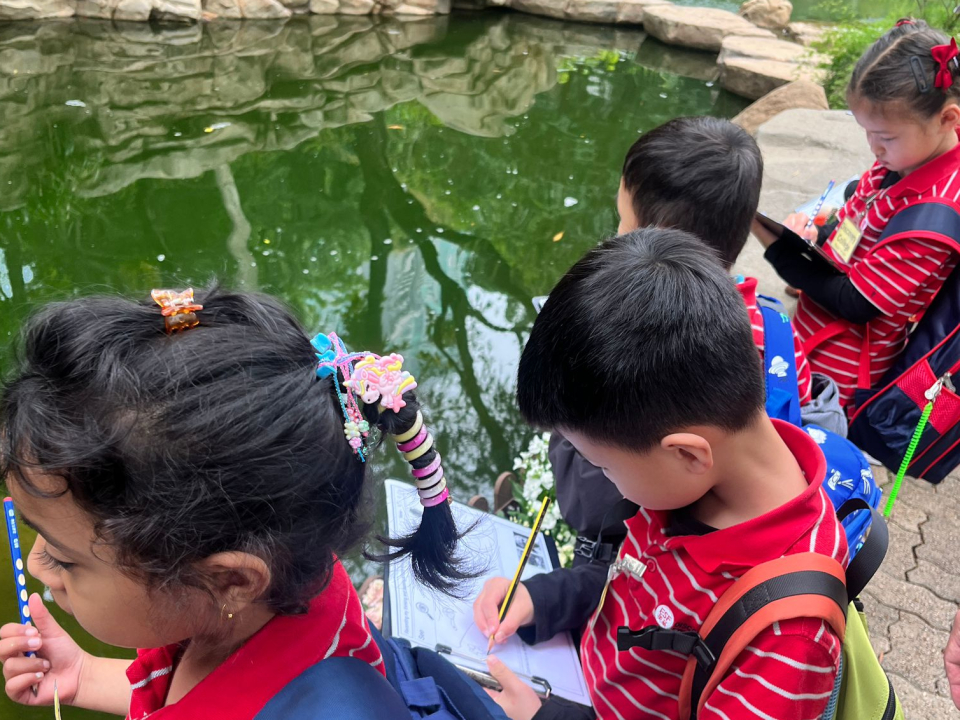
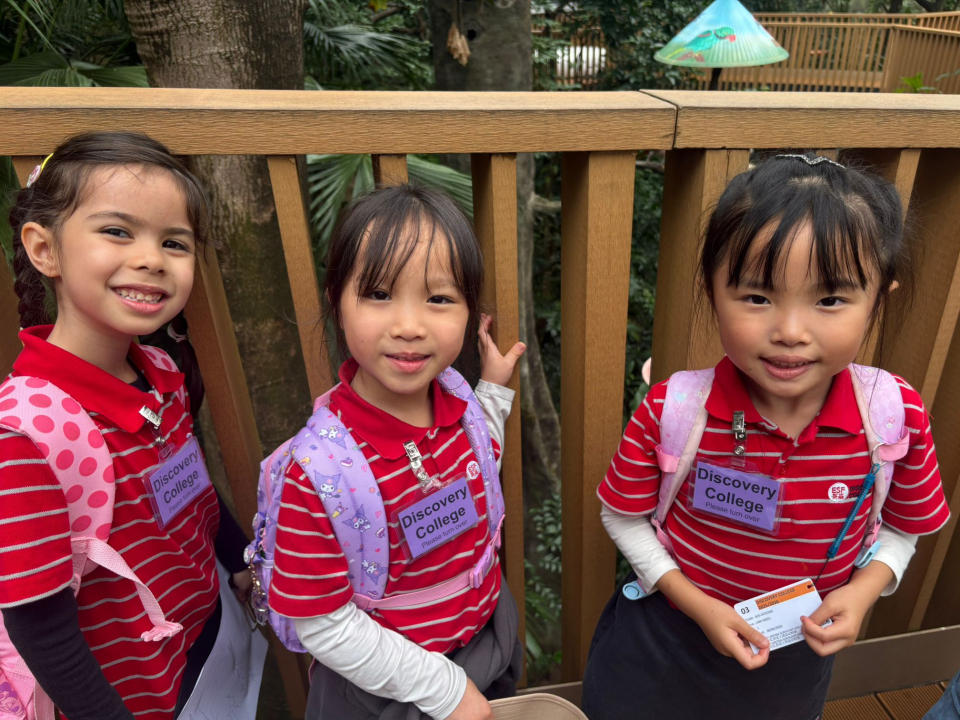
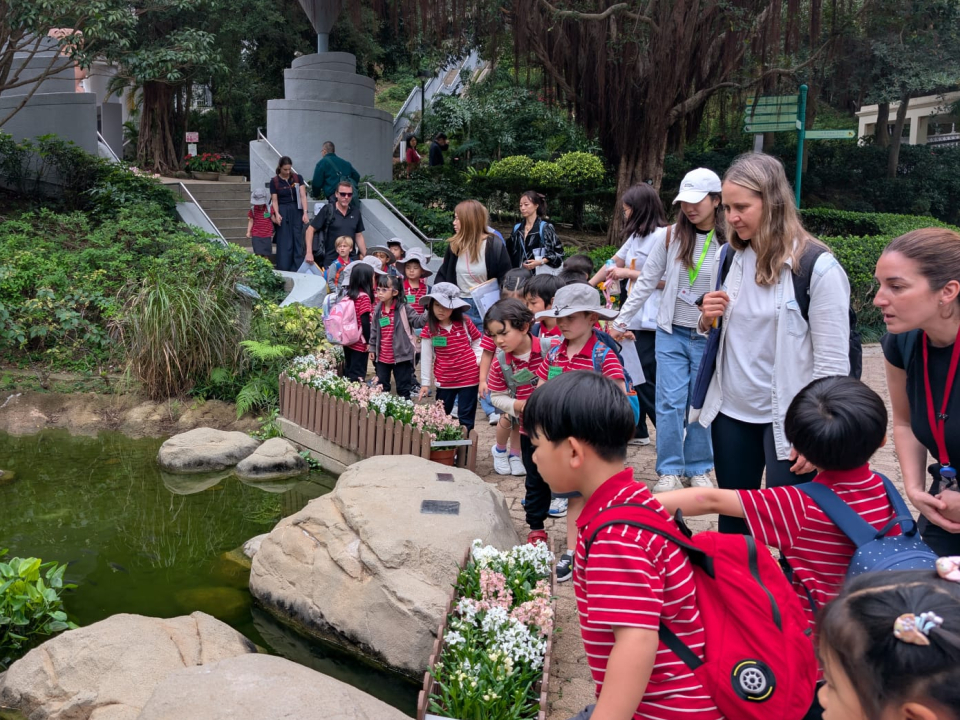
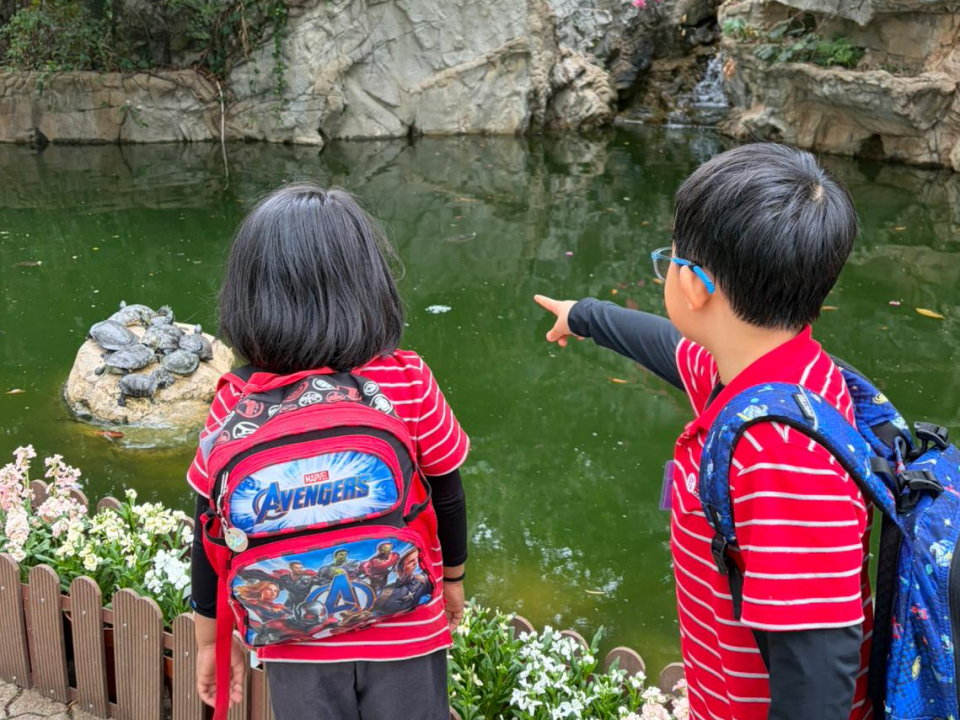
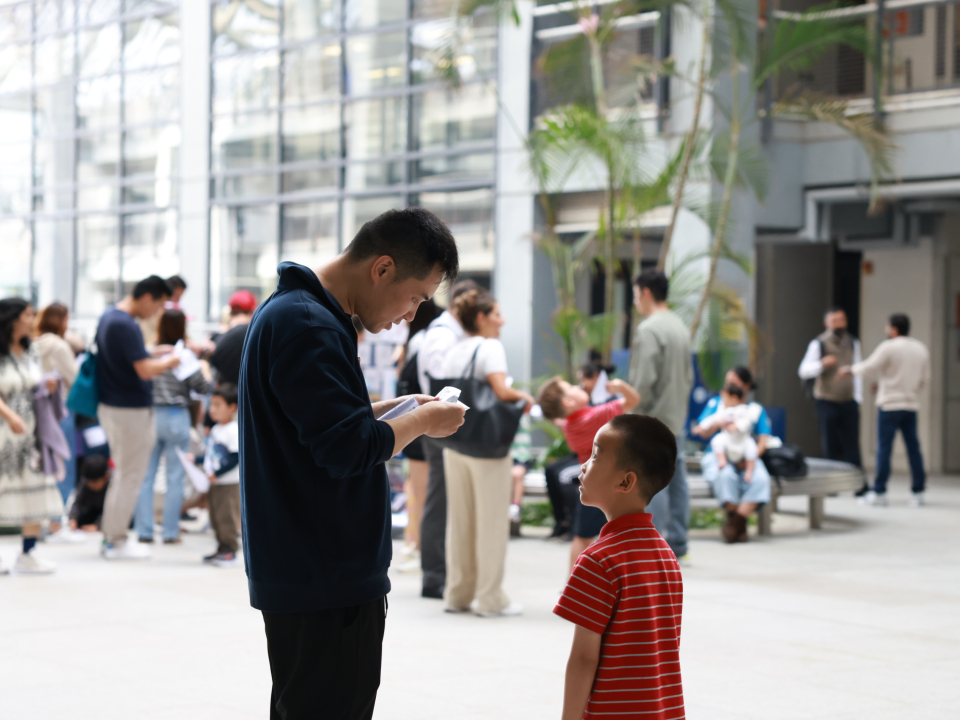
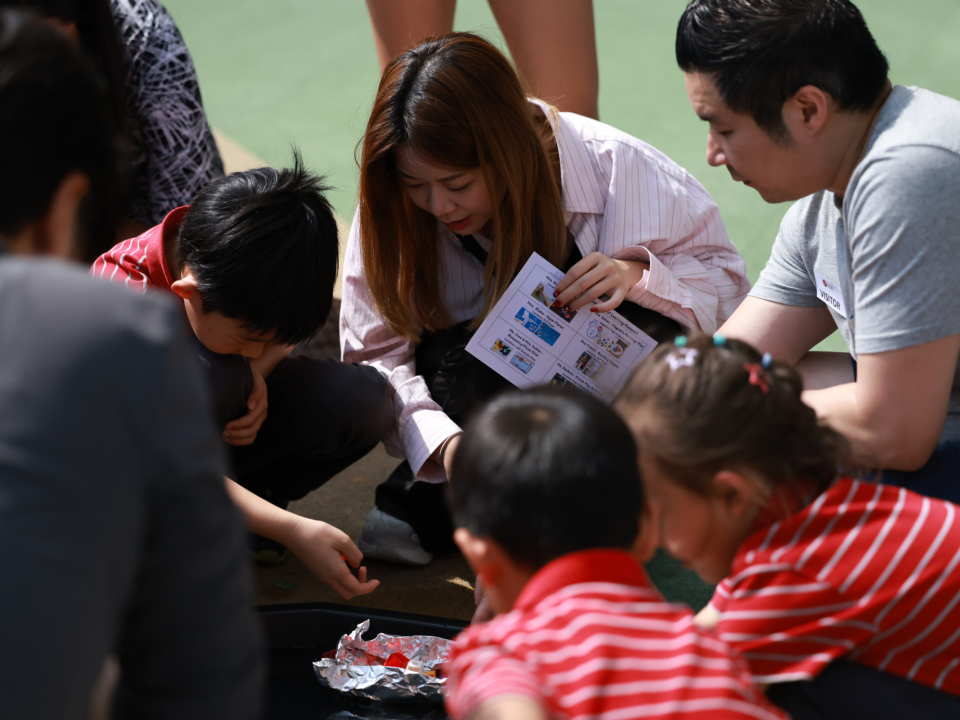
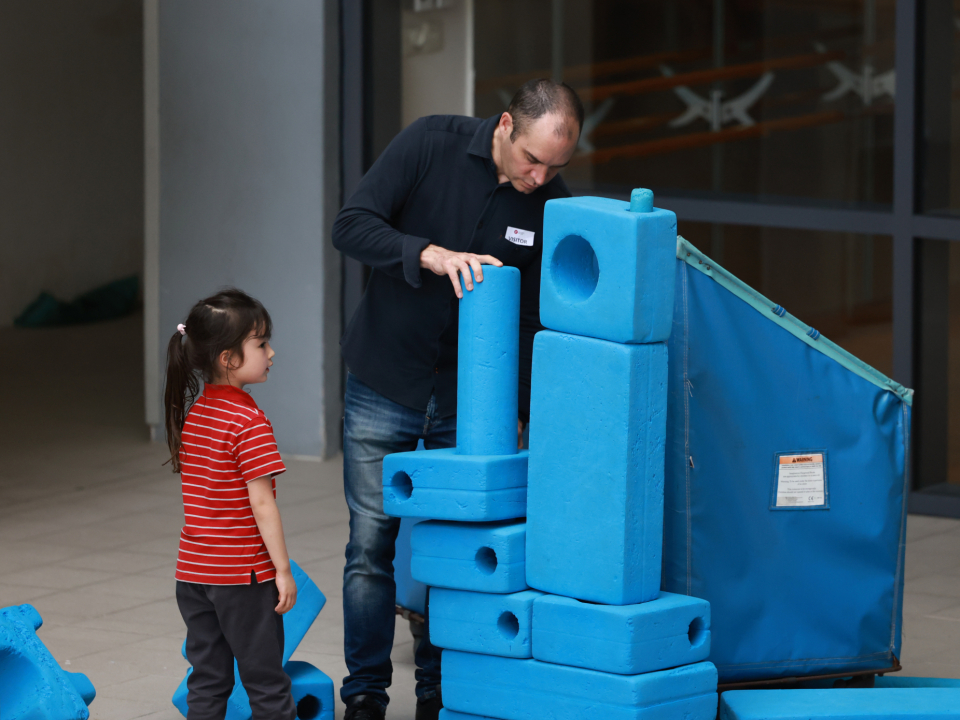
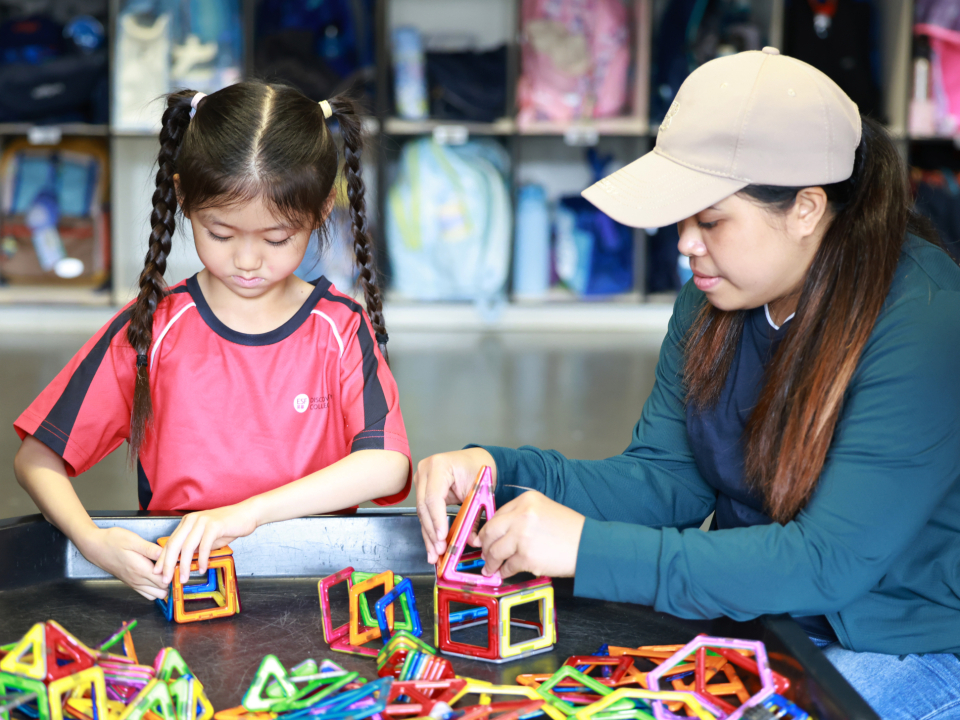
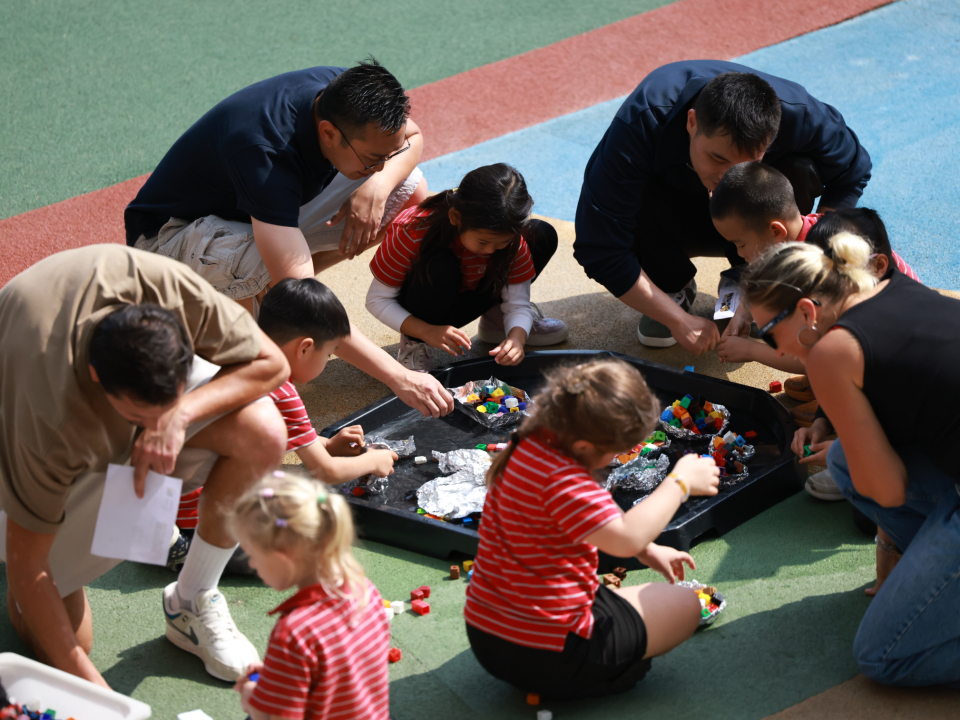
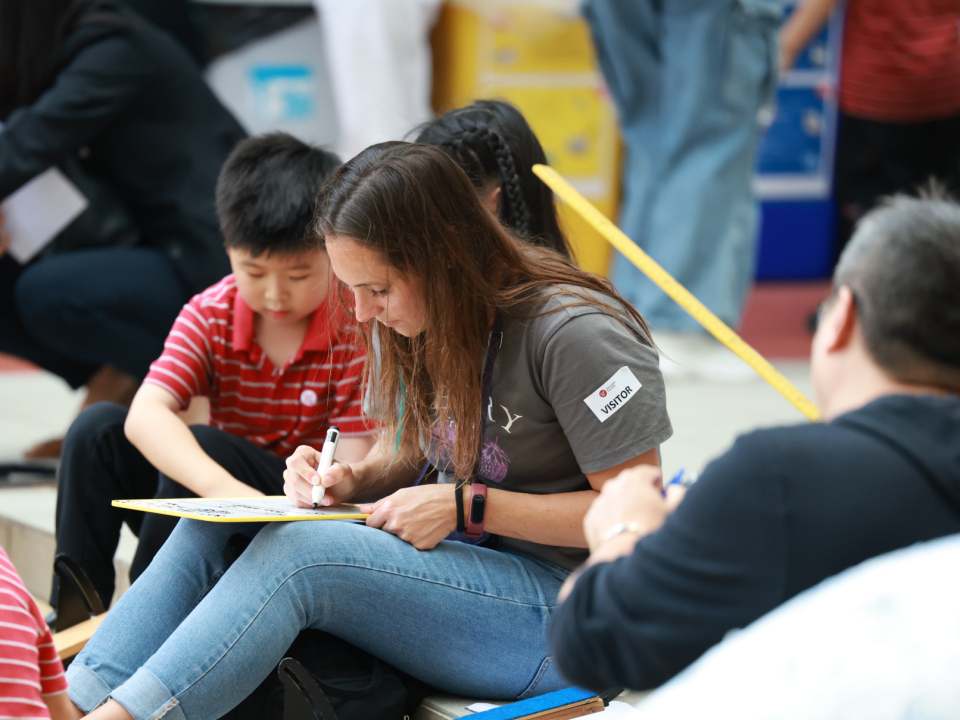
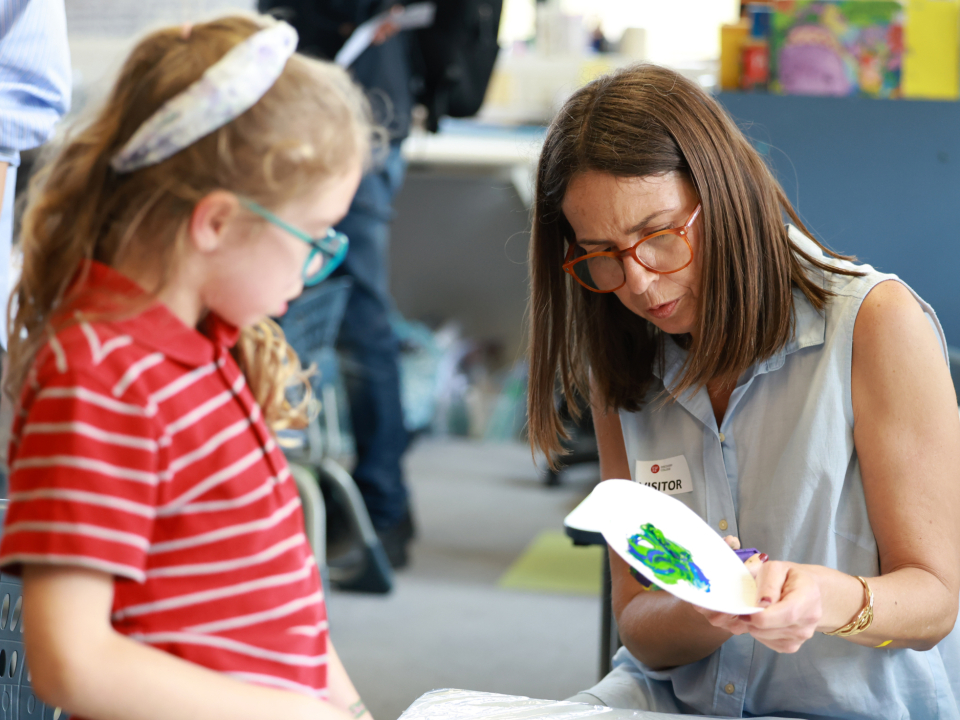
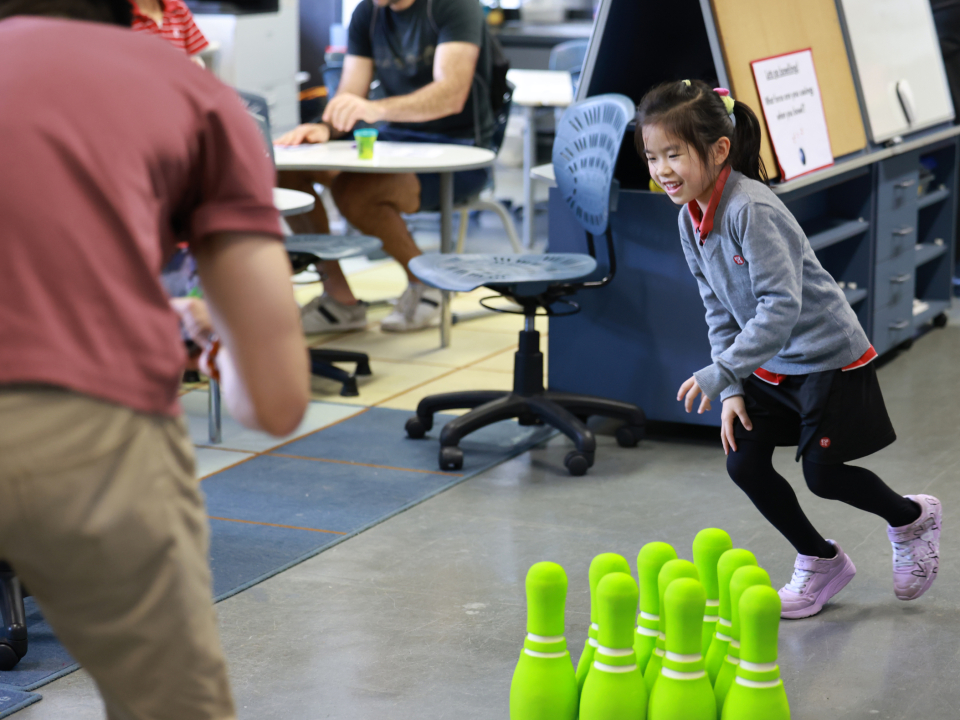
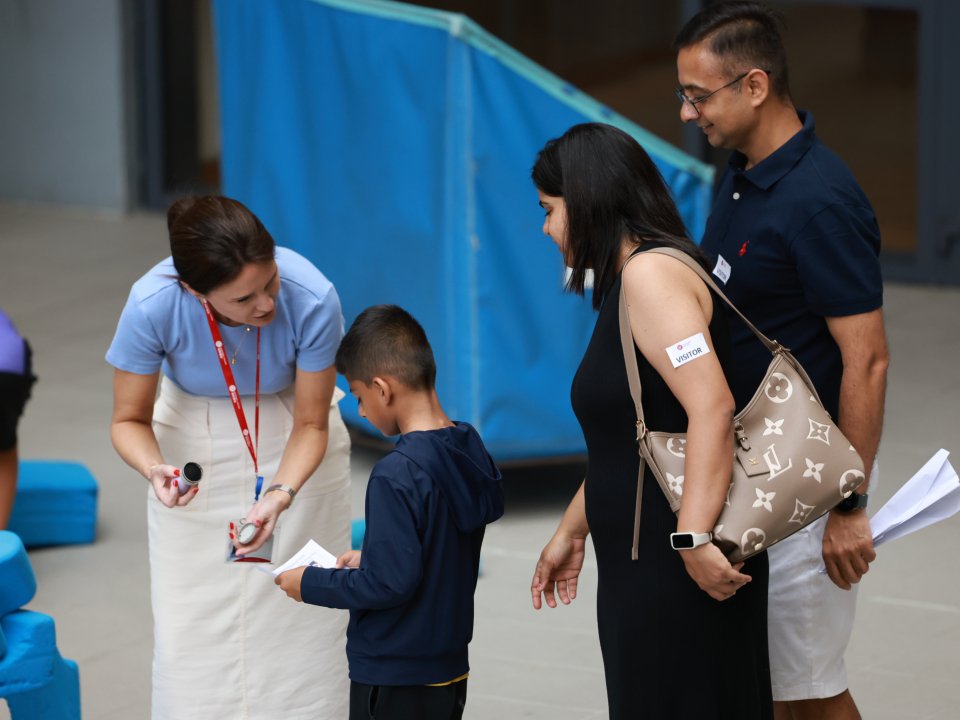
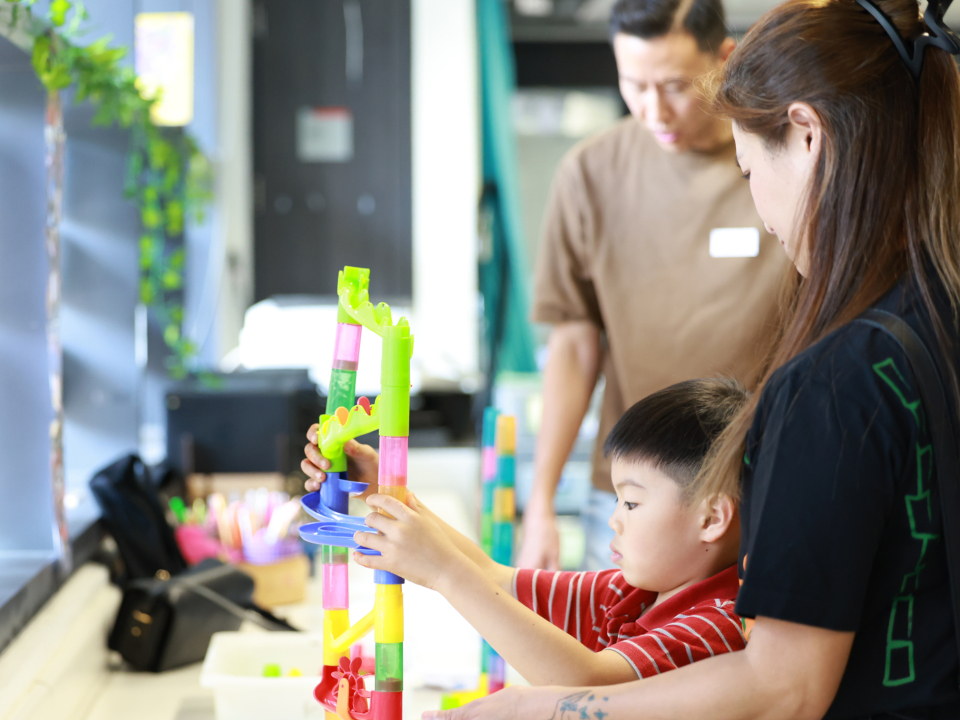
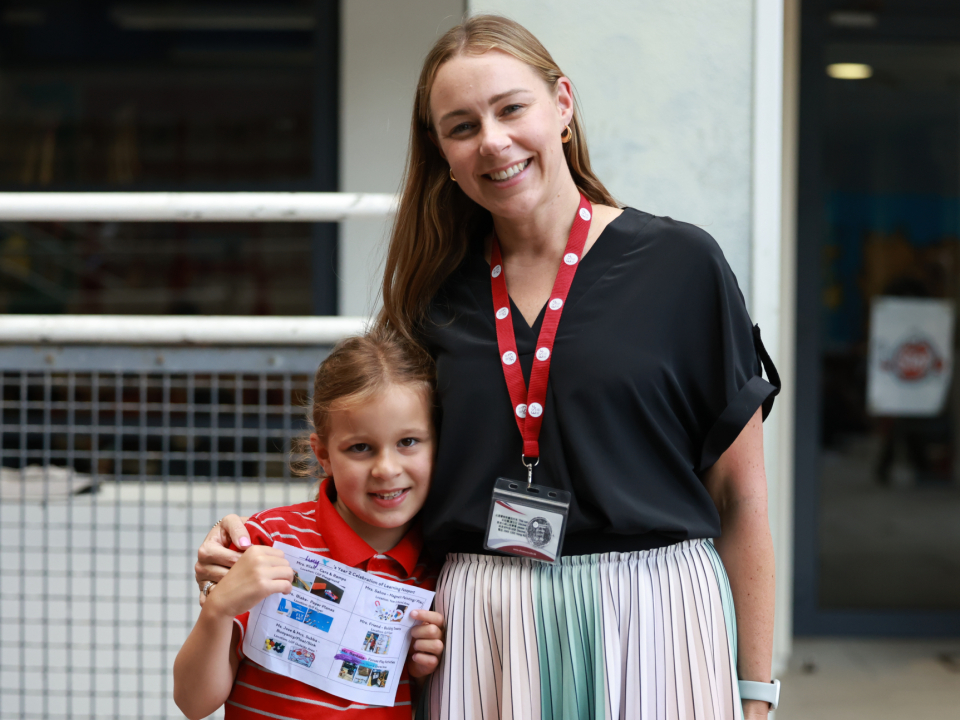
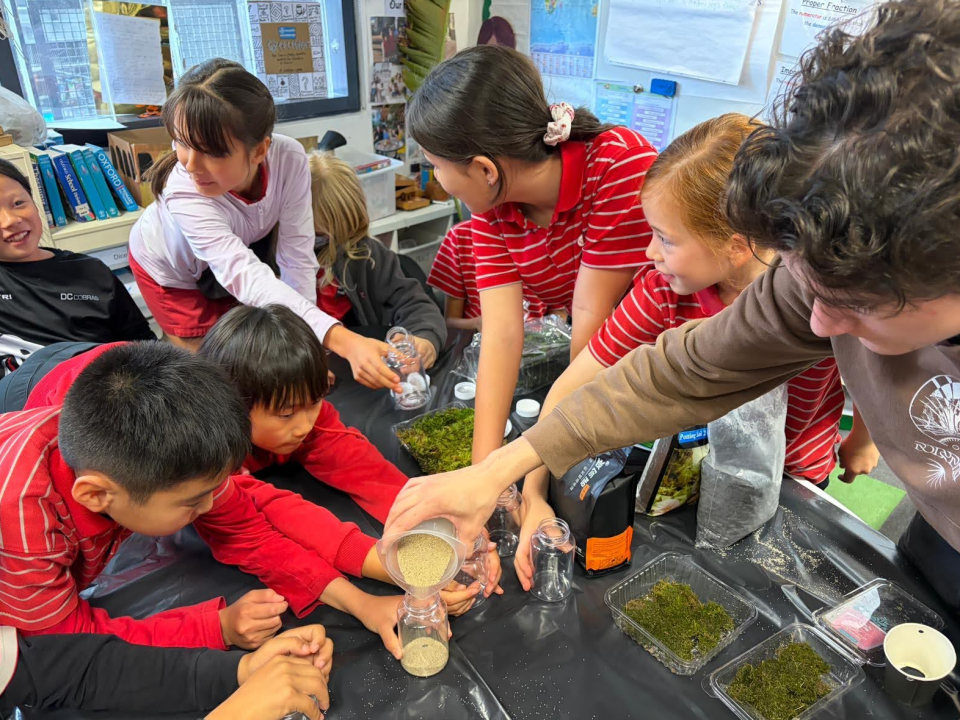
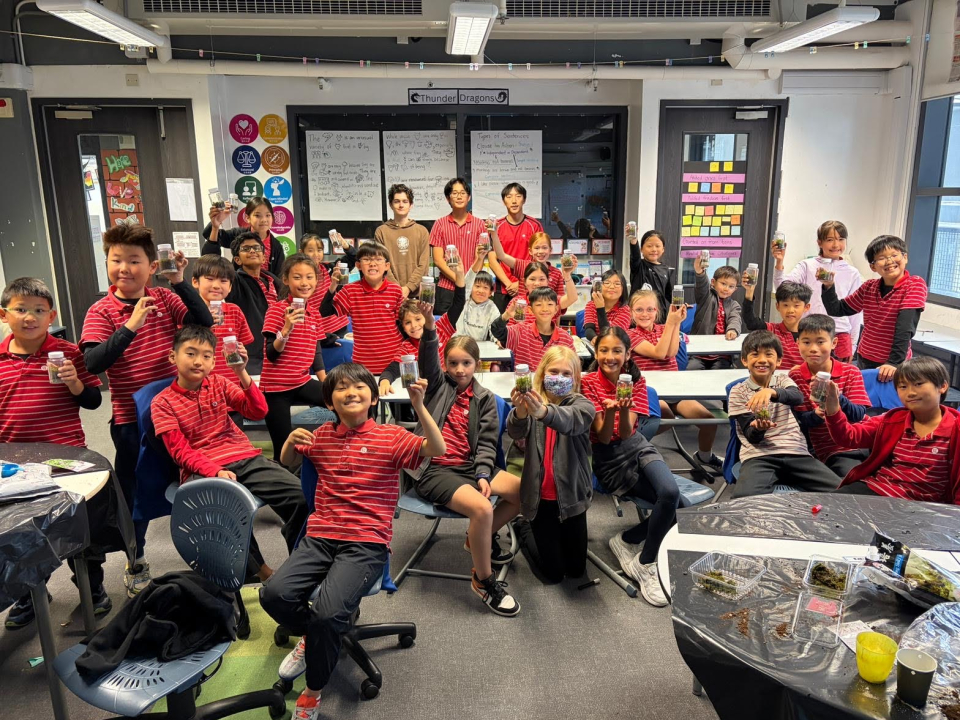
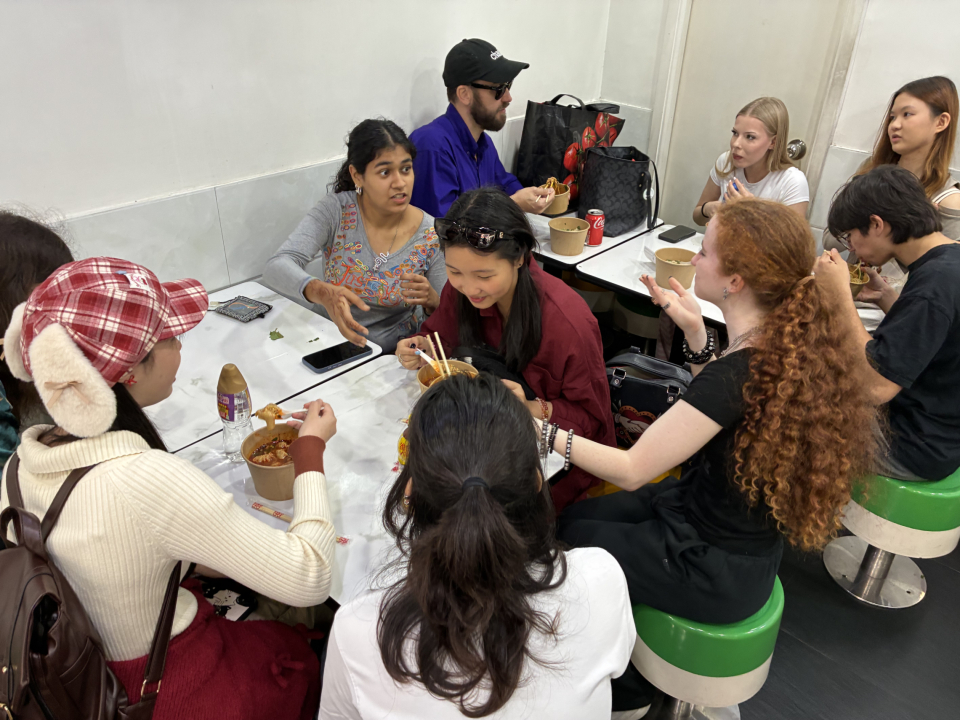
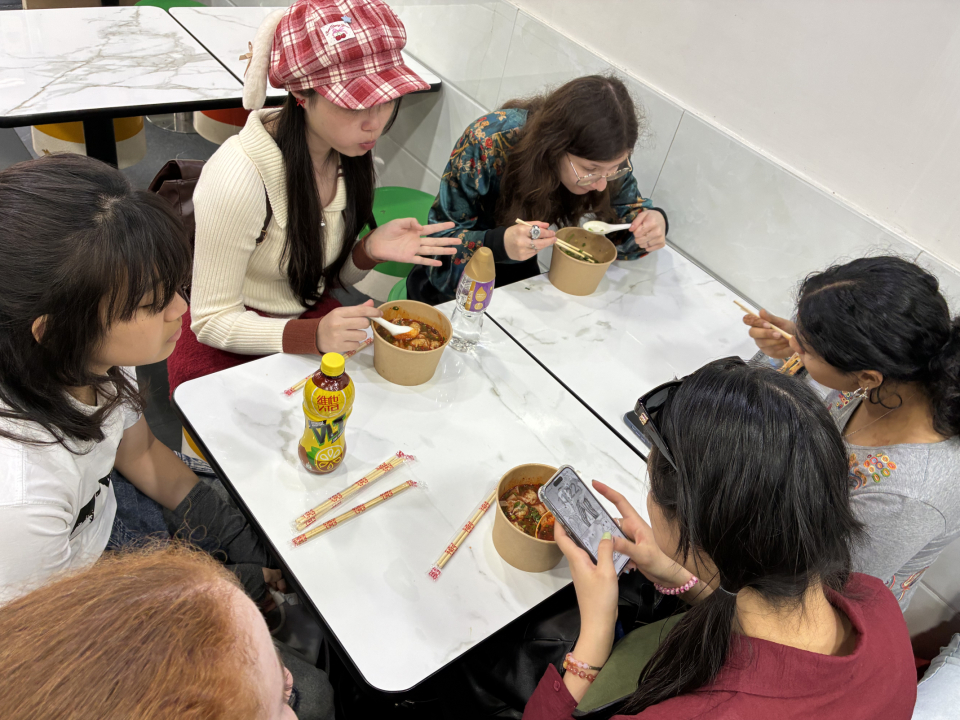
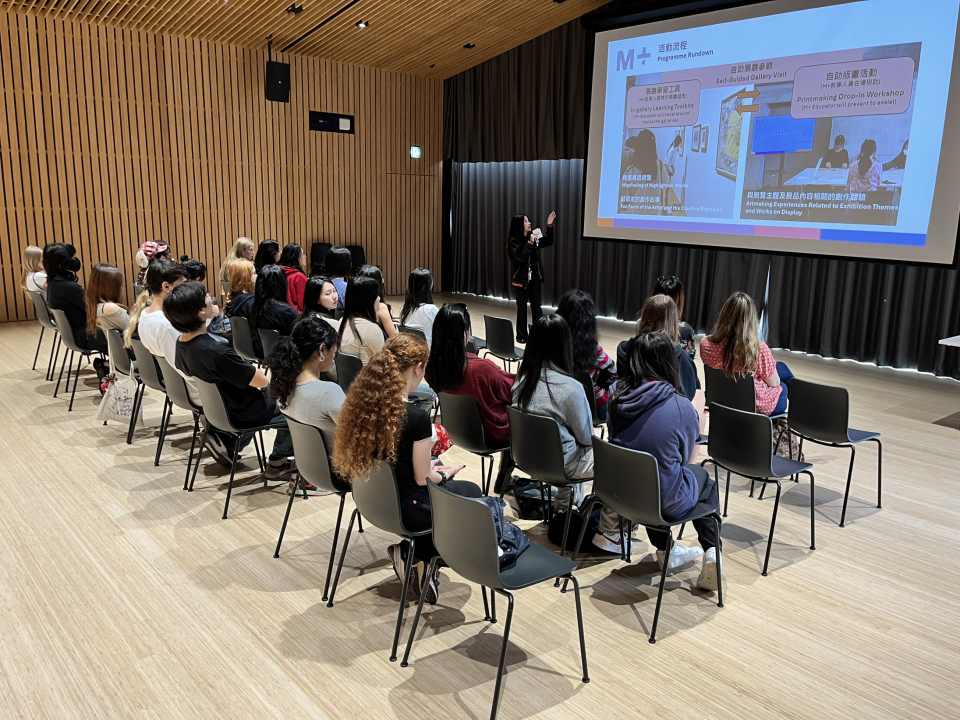
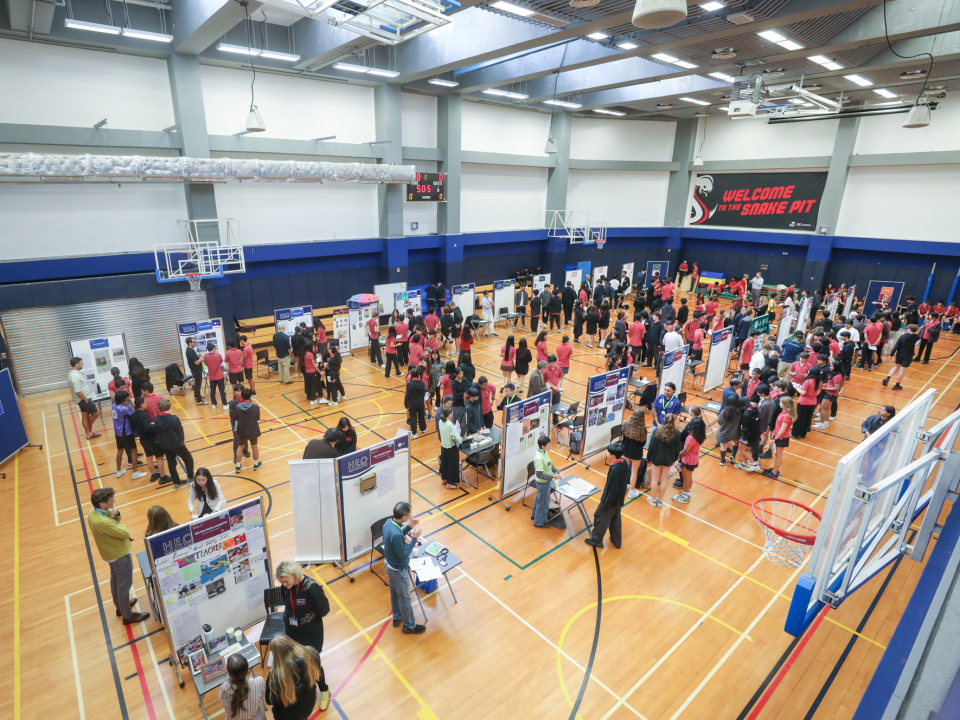
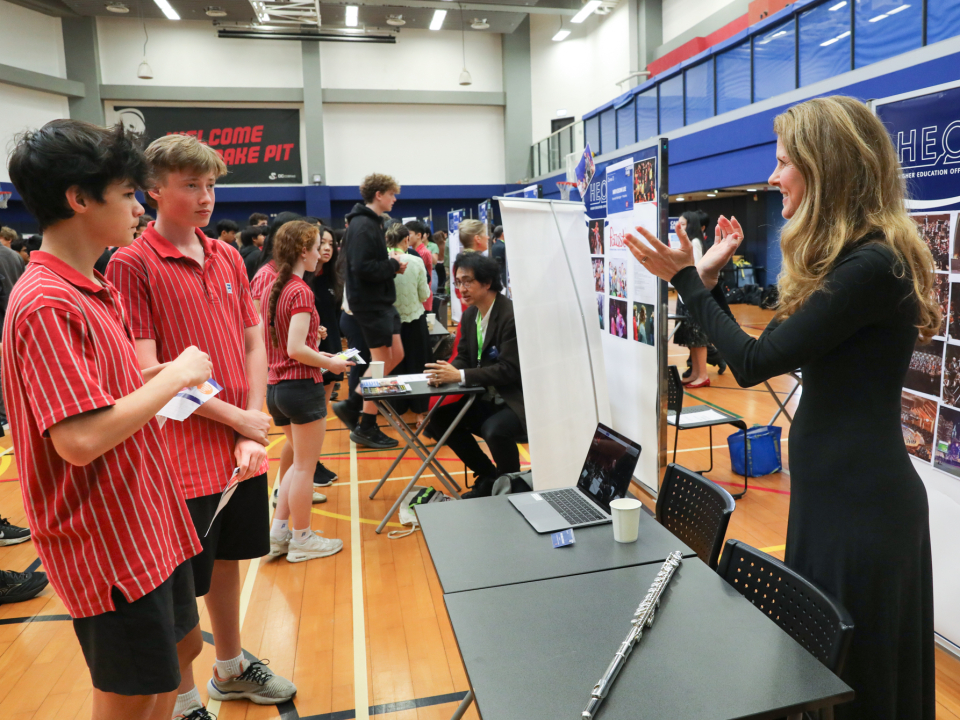
Yesterday, a group of Discovery College students — both Primary and Secondary — joined peers from across the ESF Foundation for the ESG Symposium, a day-long student conference focused on environmental, social and governance issues. The event brought together passionate young people and teachers to share ideas, learn from one another, and develop concrete plans to improve their school communities.
The day began with an imaginative warm-up: students visualised their ideal future scenarios for environmental, social and governance outcomes. From those visions, they examined data about our current reality, understanding the gap between aspiration and fact. With the support of facilitators, students then worked in small groups to design action plans that could help close that gap — turning big ideas into practical steps.
We asked Jaydon, Year 11, and Rylie, Year 6, to share their thoughts on the day.
“It felt like a really passionate conference where students and teachers from different schools came together to focus on creating solutions to the ESG issues. I especially liked how interactive it was, as instead of just listening, we were often encouraged to ask questions, share our own experiences, and develop solutions for common problems throughout our schools.” - Jaydon, Year 11
For many younger students, the best part was the collaborative, hands-on nature of the day, Rylie, Year 6, shares: “It was a very interactive chance to make some new friends from different schools! We were inspired by how much agency students were given: It wasn't just a presentation for us; it was a collaborative effort with us… This highly interactive, student-led approach made the concepts of ESG feel immediate and actionable. It truly emphasised that the power to enact change lies in our hands.”
Back at Discovery College, students are already planning how to translate what they learned into campus initiatives. One concrete proposal shared by Rylie is the creation of a DC Green Fund: a Studen-Led pot of money raised through a simple, recurring initiative such as a “Dress Down Day for Green.” Funds would be managed by a student-teacher committee and used for small, student-proposed sustainability projects — for example, more recycling bins in communal areas, materials for a vertical garden, or prizes for a school-wide clean-up competition. As Rylie explains, such an initiative “aligns perfectly with the symposium's message that student agency is key, giving us immediate, tangible ownership over our school's ESG efforts.” Jaydon concurs, sharing that a significant take-away is the relationships formed with student leaders from other schools, and the benefit of learning from each other's experience: "If we designed regular sustainability-themed activities that involve different year levels and houses working together, it would not only raise awareness but also strengthen overall school spirit."
The symposium reinforced a clear message: when students from across year groups and schools come together — guided by data, supported by facilitators, and empowered to lead — they can move from vision to action. Discovery College looks forward to piloting several of the ideas and continuing to nurture Student-Led sustainability and community projects born out of the day’s collaborative energy.